Organic Maps After Dark: A Clear Screen Without Losing Context
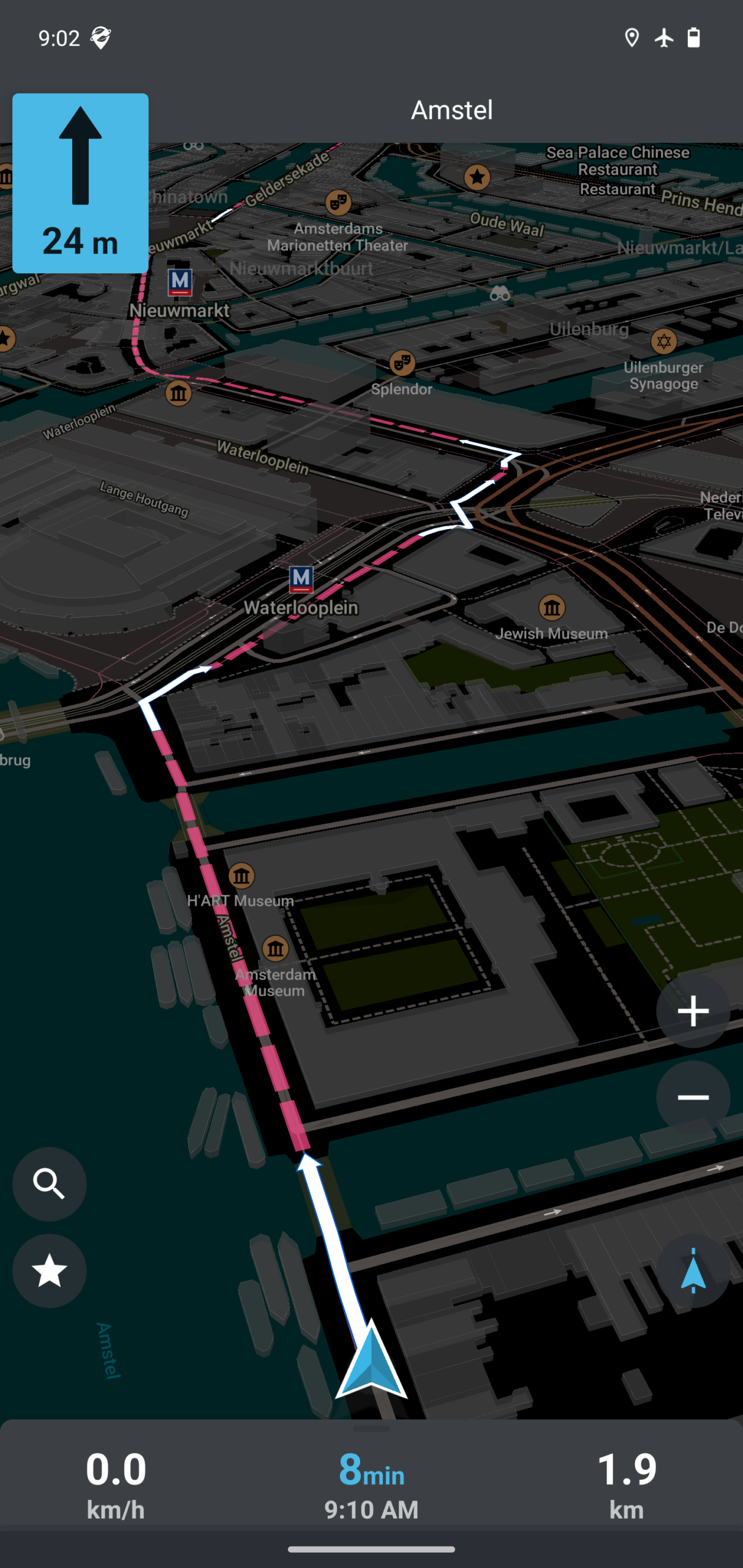
A darker map can be more comfortable in low light, but navigation still depends on recognising streets, checking your location and keeping attention on the surroundings.
 Travel App Brief
A darker map can be more comfortable in low light, but navigation still depends on recognising streets, checking your location and keeping attention on the surroundings.
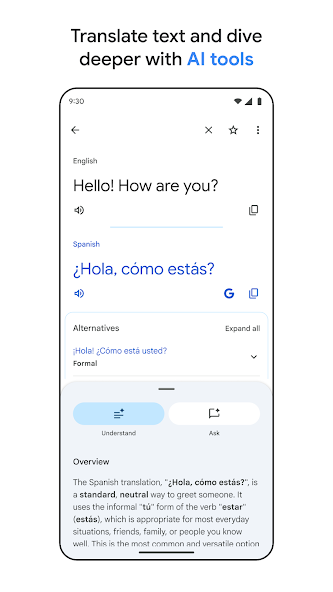
The best time to discover an app limitation is at home. A short rehearsal can reveal missing downloads, confusing saved places and assumptions about translation before they become travel-day problems.
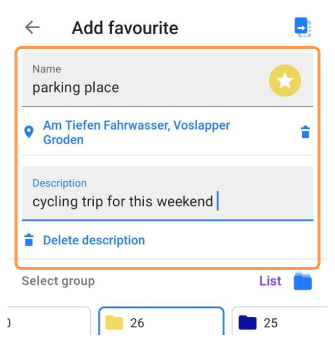
Both tools can support travel planning, but the better choice depends on how much configuration you want to manage. Compare the same small trip rather than comparing the length of two feature lists.
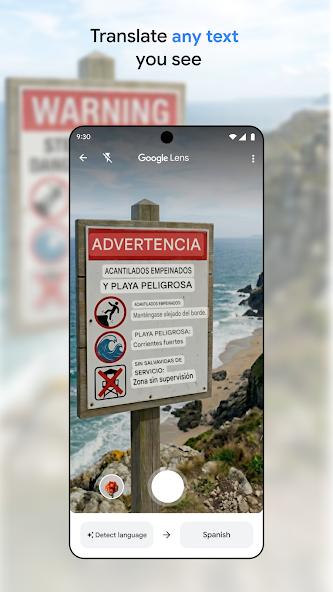
A camera overlay can make unfamiliar text easier to approach. Its usefulness depends on image clarity, context and your willingness to verify the words that affect a decision.
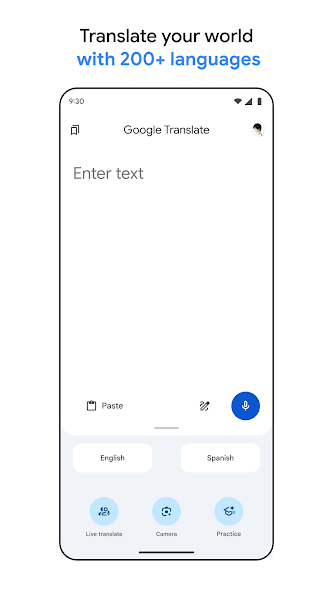
Offline translation can reduce dependence on roaming data, but feature support varies. Prepare the language pair and test the exact task you expect to need, rather than assuming every mode works offline.
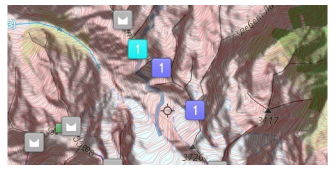
A long list of saved places is not automatically an itinerary. OsmAnd’s favourites become more useful when names, groups and visual cues reflect the decisions you will make during the trip.
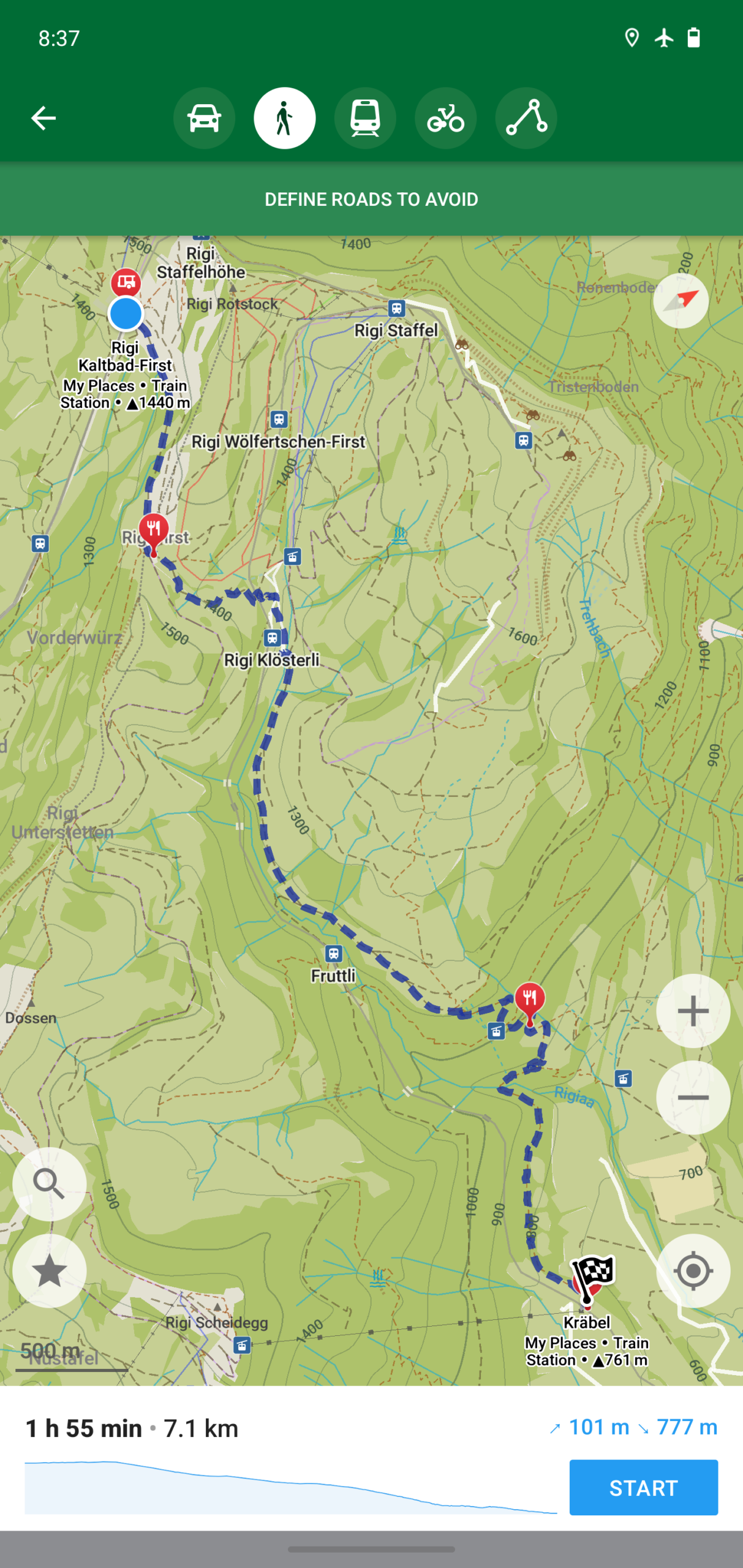
An offline map is most useful when it has already passed a small rehearsal. Prepare the area, save the places that matter and check the route before you leave a reliable connection.