APP COMPARISONS / OsmAnd
Both tools can support travel planning, but the better choice depends on how much configuration you want to manage. Compare the same small trip rather than comparing the length of two feature lists.
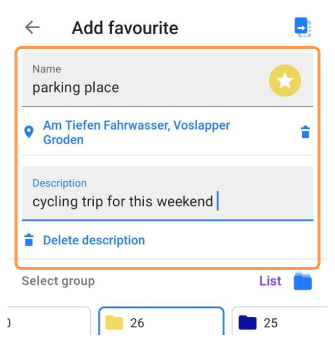
Create one shared comparison task
Use a familiar journey with an arrival point, accommodation and three optional stops. Ask each app to support that same plan. This avoids giving one tool an easy city walk and the other a complicated outdoor route. Your comparison should include finding a place, understanding the map and recovering the plan later, not merely creating a route once.
Notice the preparation burden
Organic Maps presents offline search and navigation as central features. OsmAnd documents a more detailed set of favourite groups and customisation options. More controls can be useful when a trip has many saved points or specific organisation needs. They also require choices. The right question is whether those choices make the next decision easier for you.
Include the other traveller
If someone else will use the plan, assess their experience too. Can they recognise the place names, open shared information and understand which stops are optional? A system that works only because its creator remembers every setting is fragile. Use a small handoff exercise and ask the recipient to locate one meeting point without additional explanation.
Choose the routine, not a universal winner
Neither feature count nor an attractive map proves which app will fit every traveller. Prefer the one whose preparation you will actually complete and revisit. Keep current booking and transport information from the providers separately. You can change tools later, but a verified, understandable plan is more valuable than an ambitious setup left unfinished.
A small check to try
- Compare the same journey in both apps.
- Include download and organisation effort.
- Ask another traveller to locate one shared point.